Orthopedics

What is a Slipped Disc and How Is It Treated Without Surgery?

Dec 09, 2025
8 min read

Imagine waking up with a sharp pain shooting down your leg just because you bent forward to pick up your shoes. For many people, this isn’t just a one-time fluke. That nagging back pain keeps showing up, turning simple tasks into uncomfortable experiences. One of the most common causes behind this is a slipped disc. Thankfully, surgery is not the only way out. With the right care, patience, and guidance, most people recover fully without ever seeing an operating room.

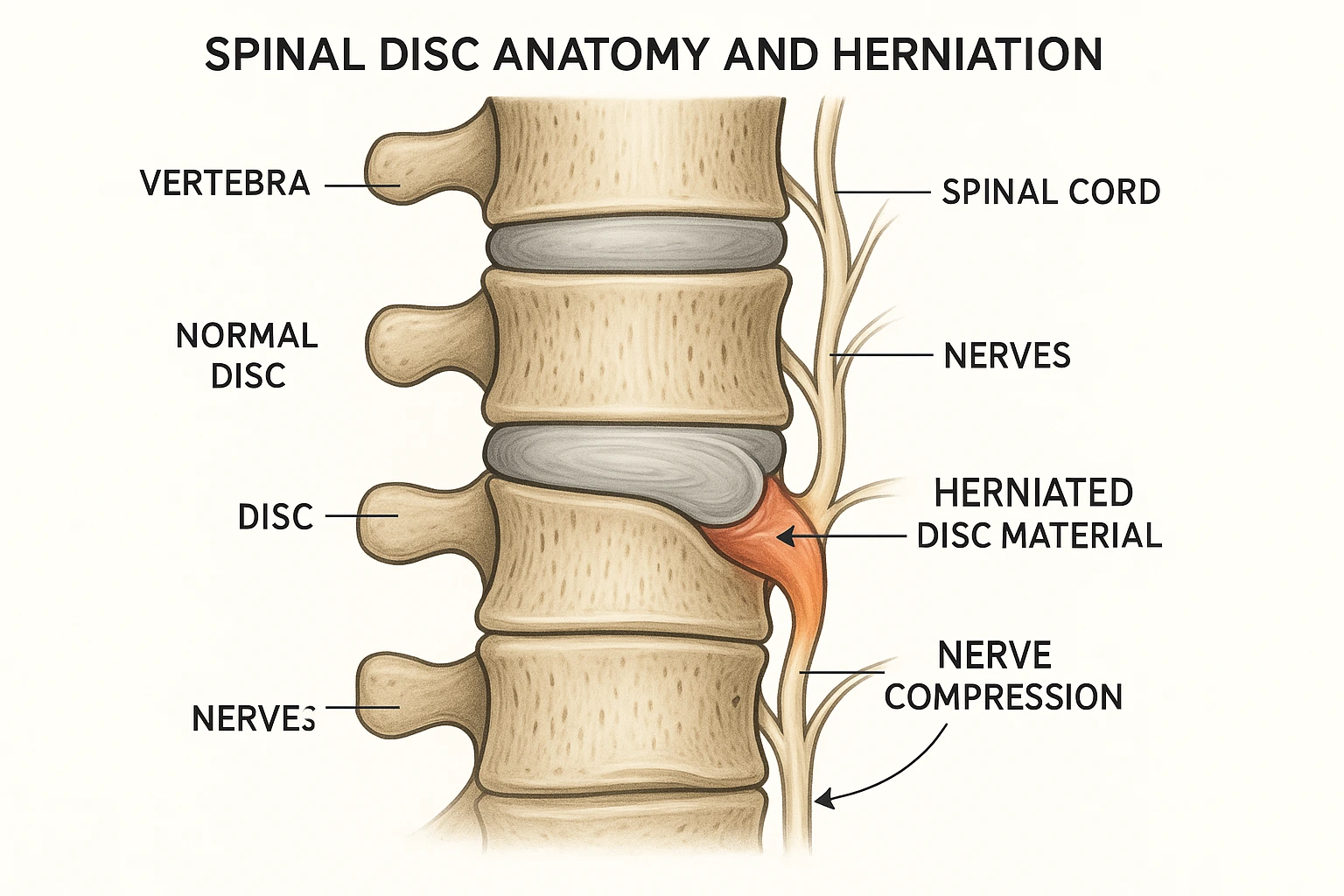
A slipped disc, also known as a herniated or prolapsed disc, is when one of the soft cushions between your spine bones bulges or tears, pressing on nearby nerves and causing pain, numbness, or weakness.

Understanding the Slipped Disc Problem

What Actually Happens Inside Your Spine

Your spine is made of small bones called vertebrae, and between each of these bones sits a disc that acts like a cushion. Each disc has a tough outer ring and a soft, jelly-like center. When this inner material pushes out through a crack in the outer ring, it's called a slipped or herniated disc.

Where and Why It Happens

Slipped discs most often affect the lower back but can also occur in the neck. Common reasons include:

  • Age-related wear and tear
  • Poor posture over long periods
  • Lifting heavy objects with the back instead of the legs
  • Weak core muscles
  • Obesity and lack of physical activity
  • Sudden trauma or repetitive strain


Recognizing the Symptoms

  • Sharp or burning back pain
  • Pain radiating down the leg (sciatica)
  • Numbness or tingling in the limbs
  • Muscle weakness
  • Trouble with movement and coordination

The Surprising Truth About Healing Without Surgery

Most people fear they’ll need surgery once they hear "slipped disc," but the truth is that over 90% recover with non-surgical treatments. That includes physical therapy, self-care at home, and lifestyle changes. Surgery is usually only considered when symptoms are severe or don't improve after several months.

Therapy That Works: Physiotherapy for Slipped Disc

Why Physiotherapy Is the Game-Changer

Physiotherapy is one of the most effective tools for healing a slipped disc naturally. A trained physiotherapist will develop a personalized program that includes:

Core-Strengthening Exercises

  • Pelvic tilts
  • Bridges
  • Gentle planks


Flexibility and Mobility

  • Hamstring stretches
  • Cat-cow stretch
  • Cobra pose for lumbar support


Posture Correction

  • Realigning your sitting and standing habits
  • Educating you on spine-safe movement patterns


Manual Therapy

  • Gentle massages
  • Mobilization techniques to improve range of motion


Slip Disc Exercises You Can Do at Home

  • Bird-dog
  • Knee-to-chest stretch
  • Wall sits
  • Walking short distances throughout the day

Always consult a physiotherapist before starting any exercise routine to avoid worsening your symptoms.

Posture and Everyday Movement: What Most People Don’t Realize

Bad habits like slouching or bending incorrectly can keep your disc from healing. Small changes in how you sit, stand, and move can reduce pain and prevent future flare-ups.

Key Postural Tips

  • Use chairs with lumbar support
  • Keep your feet flat and knees at a 90-degree angle when sitting
  • Avoid twisting while lifting
  • Sleep with a pillow between your knees if you're a side sleeper


Treat a Slipped Disc at Home: Remedies That Actually Help

Heat and Cold Therapy

  • Use an ice pack in the first 48 hours to reduce swelling
  • Apply a warm compress after to relax muscles


Medication for Relief

  • Over-the-counter pain relievers
  • Muscle relaxants (if recommended by a doctor)

Mind Your Movements

  • Avoid heavy lifting
  • Don't sit or lie down for too long
  • Take frequent short walks

Emotional Impact: The Side of Back Pain Nobody Talks About

Living with pain affects your mental well-being. Fear of movement and anxiety can actually make recovery slower. This is known as fear-avoidance behavior. A key part of healing is staying active, both mentally and physically.

How to Cope Emotionally

  • Practice mindfulness or relaxation breathing
  • Celebrate small improvements
  • Talk to your therapist or a mental health professional if pain leads to anxiety or depression

Common Mistakes That Delay Recovery

Mistake #1: Total Bed Rest

  • Too much rest can make muscles stiff and weak. Gentle movement speeds up recovery.


Mistake #2: Doing Unapproved Exercises

  • Just because a stretch works for someone else doesn't mean it's right for you.


Mistake #3: Ignoring Posture

  • Your posture during sitting, sleeping, and working matters more than you think.


Mistake #4: Skipping Professional Help

  • A certified physiotherapist can speed up your healing and prevent reinjury.


Recovery Timeline: What to Expect

Timeframe What Happens
Week 1-2 Pain may be sharp. Start gentle movement.
Week 3-6 Pain usually lessens. Begin targeted exercises.
Week 7-12 Most people return to daily activities.
Month 3-6 Full recovery for most. Continue exercises.

Note: Everyone heals at their own pace. Setbacks are common but usually temporary.

Can a Slipped Disc Be Cured Without Surgery?

Yes, in most cases. With consistent therapy, good habits, and professional guidance, you can recover fully. The goal is not just to relieve pain but also to prevent future episodes.


When to See a Doctor or Specialist

Seek urgent care if you experience:

  • Loss of bladder or bowel control

  • Severe weakness or numbness

  • Sudden inability to walk or stand


Getting Help: A Word from Germanten Hospital

At Germanten Hospital, we specialize in orthopedic care and rehabilitation. Our physiotherapy team creates customized plans for every patient. Whether you're in the early stages of pain or facing ongoing discomfort, our focus is helping you return to daily life safely and naturally.

If you're wondering where to start, our team is here to guide you every step of the way.

Final Thoughts

You don't have to live in fear of surgery. Most slipped discs heal with the right non-surgical care, movement habits, and support. Focus on gentle exercise, posture, and listening to your body.

What one small change can you make today to help your back heal?

Ready to take the first step toward recovery? Our team at Germanten Hospital is here to help.

Dr. Mir Jawad Khan

Germanten Hospital

Dr. Mir Jawad Zar Khan is the Chairman and Managing Director of Germanten Hospitals, Hyderabad. With over 25+ years of clinical experience, he has performed thousands of orthopedic procedures, combining advanced surgical technology with patient-focused care. Dr. Jawad is committed to restoring mobility, relieving pain, and improving quality of life through evidence-based treatments, innovation, and compassionate care.